How to Pass Your Practical Driving Test in South Australia
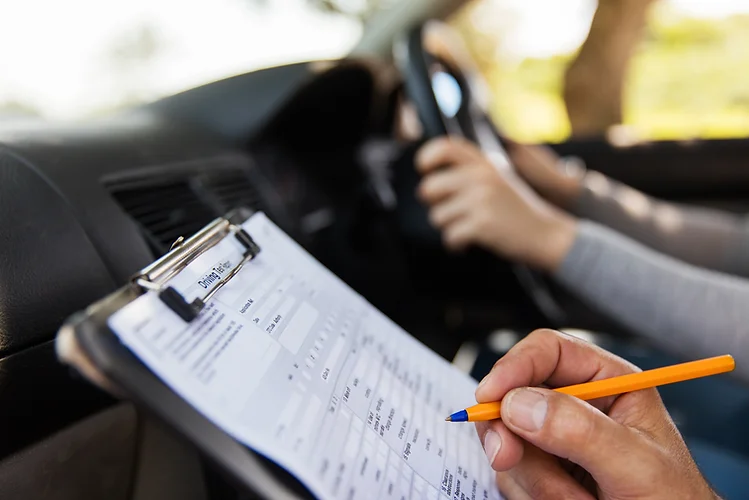
The Vehicle On Road Test assesses your skills and knowledge as a safe and competent driver. It may take up to 60 minutes to complete all elements of the test.
You will need to demonstrate 5 slow speed manoeuvres (move off, angle park, U-turn, 3-point turn, and reverse parallel park) as well as conduct a general drive. The general drive component evaluates driving skills such as changing lanes, turning on and from busy roads, turning at traffic lights, negotiating roundabouts, stop and give-way signs, interaction with other road users, and adherence to the system of car control.
To pass the VORT, you must successfully perform the 5 slow speed manoeuvres and achieve a combined score of 90% or more in the general drive without any breaches of road law. Any violation of road law will result in an immediate fail and termination of the test.
If you do not pass, your instructor will debrief you on the reasons. A copy of the test marking sheet detailing your performance will be provided to you.
Therefore, it is highly recommended to take lessons with a qualified driving instructor who is familiar with the VORT test requirements and can provide tailored guidance to improve your driving skills. Practising in a variety of traffic conditions and becoming comfortable with the test route can significantly enhance your performance.
Additionally, being well-prepared mentally and physically on the day of your test is crucial. Ensure you get a good night's sleep, eat a healthy meal before your test, and arrive at the testing location early to avoid any potential stress from running late. Bringing all necessary documents, such as your learner's permit and identification, will ensure a smooth check-in process.
In conclusion, by understanding the VORT test criteria, receiving proper instruction, and maintaining a calm and prepared mindset, you can increase your chances of passing your practical driving test in South Australia and becoming a confident, safe driver.
Driving Tips for Learner Drivers
Learning to drive is an important milestone. Here are some tips to help you become a safe driver.
Before You Drive
- Review road rules.
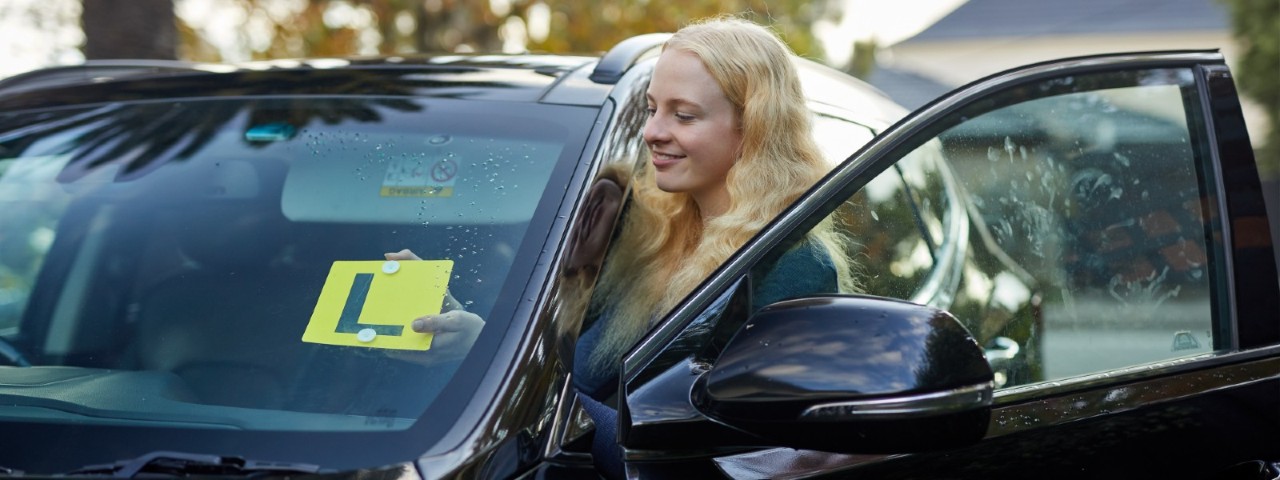
- Attach your L plates.
- Keep your learner logbook in a secure place.
- Always carry your learner license with you.
Finding a Supervisor
You can drive with anyone who has held an open license for at least one year for the vehicle class. Mix professional lessons with practice sessions with family or friends.
Driving Practice
Hold your learner license for at least one year. Practice regularly in various conditions (dry, wet, peak hours, dusk, and night). Do not drive if you are tired, have consumed alcohol, or are under the influence of drugs.
Safe Driving Tips
Preparing Your Vehicle
- Ensure tyres have minimum 1.5mm tread and are properly inflated.
- Check fuel, oil, and water levels.
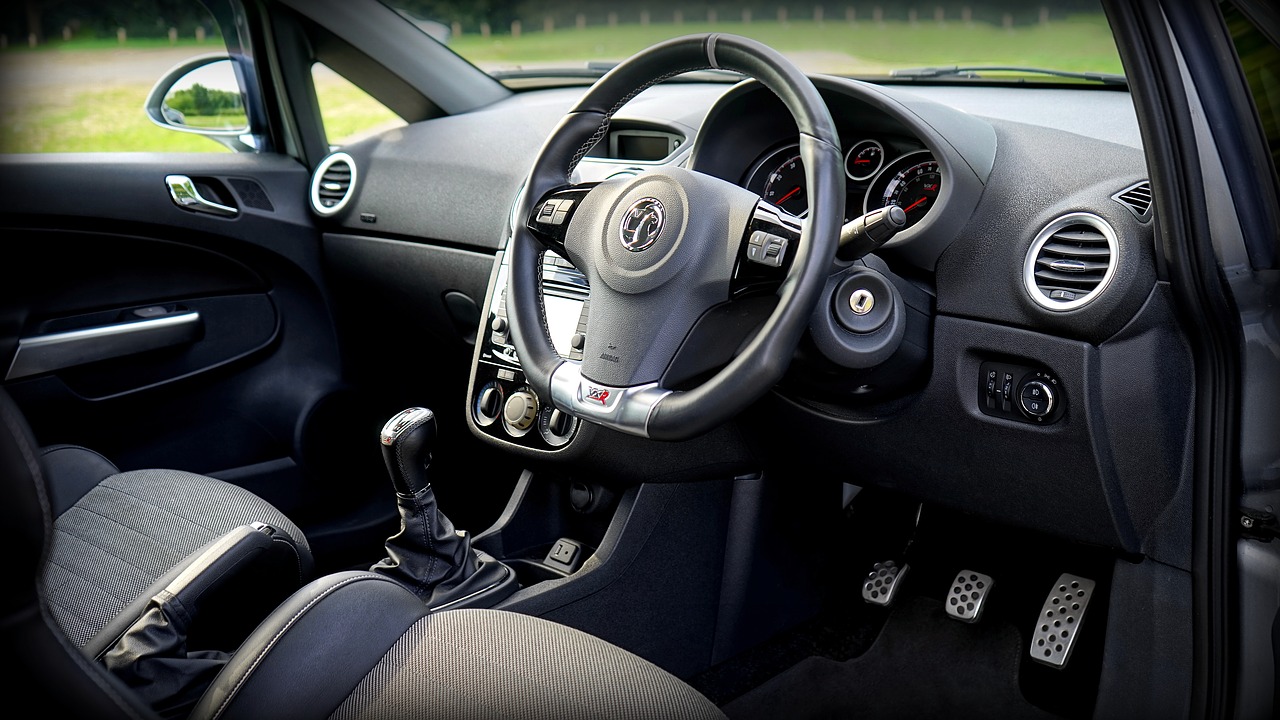
- Adjust your seat for good visibility and control.
- Adjust the headrest to at least eye level height.
- Set the steering wheel for comfort and a clear view.
- Make sure pedals are easily reachable.
- Ask your supervisor to walk around the car and help you do a mirror check to find blind spots.
- Ask your supervisor to check that the indicator and brake lights are working correctly.
- Take note of where important controls (handbrake, demister, windscreen wipers, indicators, horn) are located and ensure they all work correctly.
- If you are learning to drive in more than one car, take the time to adjust to the differences—such as power steering, brakes, or mirrors.
On Your First Few Drives
On your first driving sessions:
- Turn the radio off so that it doesn’t distract you or your supervisor.
- Think about other road users and how your driving might affect them.
Driving at Night
When driving at night:
- Turn on your headlights between sunset and sunrise or when visibility is reduced.
- If a vehicle approaches with its high beam lights on, reduce your speed and look to the left edge of the road until the vehicle has passed.
Driving in Rainy, Foggy, or Smoky Conditions
- Reduce your speed.
- Increase the following distance behind the vehicle in front.
- Avoid sudden braking, acceleration, or turning to minimize the risk of skidding.
- Turn on your headlights.
- Use air conditioning or a demister to prevent windows and the windscreen from fogging up.
- Obey all road closure signs.
- Do not drive on roads or streets covered with water.
Driving on Country Roads
- Be aware of wildlife and livestock on roads, roadsides, and near water crossings, especially at sunrise and at night.
- Watch for tractors towing farm machinery.
- Avoid stopping on or near bridges, floodways, or narrow sections of roads.
- Be cautious of long or heavy vehicles on narrow roads.
- If safe, pull over to the left and stop completely off the road when a road train or long vehicle is approaching to prevent windscreen damage.
- Do not overtake a road train on a crest, curve, or bridge. Only overtake on flat, straight ground if you have a clear view.
Driving on Mountain or Range Roads
- Adjust your speed and pay attention to yellow warning signs as these roads are often steep with many bends.
- Select the appropriate gear to avoid overusing your brakes.
- Allow extra following distance in case some vehicles struggle to maintain speed on steep climbs.
- Only overtake if it is safe and legal.
- Exercise additional caution when following large vehicles on uphill and downhill sections.
Driving on Unsealed (Dirt) Roads
- Surfaces vary in grip (e.g., gravel vs. sand).
- Slow down, increase following distance, and adapt your driving techniques.
- In dry conditions, dust clouds can hide ruts and potholes; in wet conditions, roads can become muddy and slippery.
City Driving
- Plan your route and stay in the correct lane to avoid sudden changes.
- Pay attention to road signs, signals, and markings (one-way signs, no entry signs, shared zones, pedestrian crossings).
- Watch for reduced speed limits in high pedestrian areas.
Driving on Local Suburban Streets
- Be cautious around parked cars—children and pedestrians may be crossing from behind them.
- Take extra care near schools and playgrounds.
- Stay alert at stop and give way signs, and unmarked intersections.
- Do not exceed 50km/h unless indicated otherwise.
Driving on Main Roads
- Maintain at least 3 seconds following distance behind the vehicle in front.
- Drive according to conditions and speed limit.
- Approach intersections carefully, even if the light is green.
- Observe other road users and anticipate hazards ahead.
- Plan your moves in advance and signal correctly when changing lanes or turning.
Practical Driving Test Tips and Tricks
Here are essential tips to make the most of your driving lessons:
- Stay calm and focused: Eliminate distractions like loud music or mobile phones, and practice deep breathing to keep your nerves under control.
- Practice positive self-talk: Remind yourself that mistakes are part of learning, and your driving instructor is there to guide you.
- Listen carefully to your instructor: Pay attention to their feedback, and don’t hesitate to ask questions for clarity.
- Master defensive driving: Stay alert, anticipate other drivers’ actions, and be prepared to react safely.
- Keep a safe following distance: Maintain a gap of at least three seconds between your vehicle and the one ahead.
- Use turn signals effectively: Indicate your intentions clearly to ensure smooth communication with other road users.
- Start slow and steady: Gradually build up your speed and focus on smooth acceleration and braking techniques.
- Practice in low-traffic areas: Begin in quiet zones with minimal traffic to build confidence and refine your skills. By following these driving tips, you’ll develop good habits, stay safe on the road, and gain confidence behind the wheel.
Common Reasons People Fail Their VORT Driving Test
Outlined below are several common reasons why learner drivers may fail their practical driving test:
- Exceeding the speed limit: This constitutes a critical driving error, resulting in an immediate failure.
- Failing to come to a complete stop at a STOP sign: This is considered a critical driving error, leading to an immediate failure.
- Neglecting to look out the rear while reversing: This oversight will result in a critical driving error, causing an immediate failure.
- Mounting the curb (e.g., during a reverse park or three-point turn): This can lead to a critical driving error, resulting in an immediate failure.
- Not maintaining a safe following distance: This behavior may result in a critical driving error, causing an immediate failure.
- Failing to stop at an amber light when it is safe to do so: This is classified as a critical driving error, leading to an immediate failure.
- Not remaining in the same lane within a multi-lane roundabout: This will result in a critical driving error, causing an immediate failure.
- Not signalling for a minimum of 5 seconds when moving off from the kerb: This can also lead to failure.
- Stopping or parking illegally (e.g., in front of a bus stop, fire hydrant, or in a no parking zone): This may result in test failure.
- Failing to indicate when turning and when leaving a roundabout: Leads to immediate failure
Always remember to follow these guidelines and stay vigilant on the road to ensure a safe and successful driving test.